
Simulator training
✈️ Simulator Training
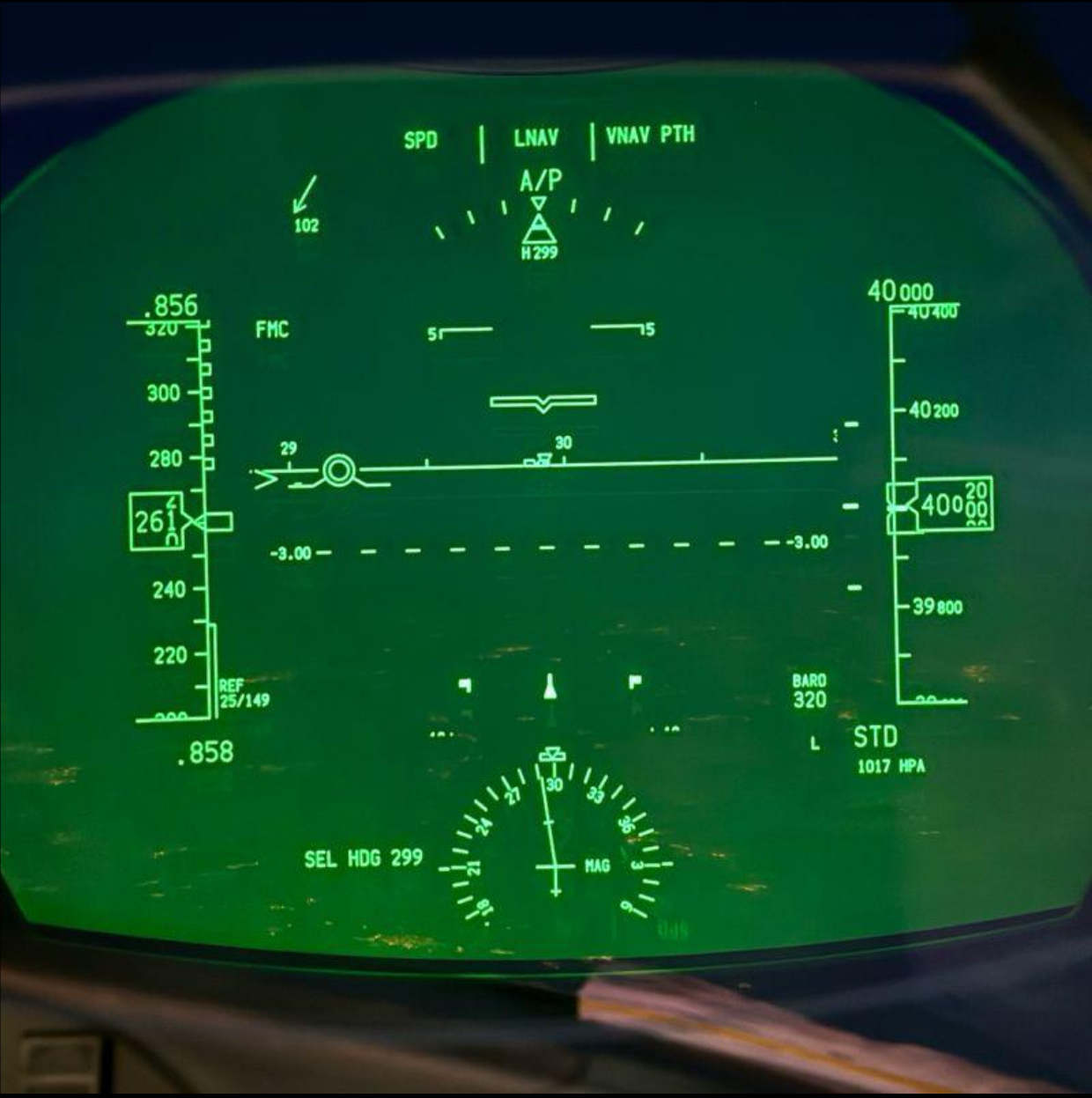
Good to be back in the KLM simulator building yesterday for the Line Oriented Evaluation (LOE) of 2025. A simulator is a chamber containing a cockpit (787 in this instance) which moves on hydraulic pillars to simulate a flight. What a time to be alive.
You do not realise it but at Schiphol-Oost a village-size facility exists to enable the KLM and Transavia to operate efficiently, consisting of operation centres, hangars, maintenance, simulator buildings, offices etc.
🎯 Focus of the LOE
The LOE is very interesting since we train specific situations that could use training on the basis of real life data. This time we had a focus on unstable approaches, windshear escapes and unreliable airspeed situations. The latter specifically is very interesting from a theoretical and technical standpoint, the others are interesting as well perhaps I write about them later.
⚠️ Unreliable Airspeed – Scenario
Unreliable airspeed can result from blocking or freezing of the pitot static system or large alteration in the airflow due to icing or damage.
For instance in the climb, when you have a blocked pitot tube, the pitot static system sill start functioning as an altimeter and report increasing speed with increasing altitude. As a consequence the autopilot flight director systems starts to trade speed for altitude by pitching up. In reality now you increasing your angle of attack to close to the stick shaker (stall warning system) while bleeding speed excessively, approaching a stall if no action is taken.
🧭 Pilot Response
As a pilot you must recognise this situation quickly by realising that your pitch should certainly not be in the range of 15 or 20 degrees for a normal take off, especially with an increasing reported airspeed.
We have memory items to complete for this situations, basically turning off all automation and guidance reverting to basic flight (pitch power). Good for all situation power settings are given, for instance 10 degrees pitch and 85% thrust for a flap extended situation. This is a safe setting to ball back on if you have lost situation awareness.
🤔 Deeper Consideration
However, thinking more deeply about the situation, you could argue that when you are close to a stall, reducing thrust to 85% is contra productive. Especially when you are low on airspeed and on the backside of the power curve maintaining or adding thrust could be more appropriate, thereby deviating from memory items.
🛬 Approach Scenario
Another interesting example is an airspeed unreliable in approach, with a blocked pitot tube the opposite will happen as described above, meaning speed seems to be decreasing. The AP FD system which is maintaining glideslope will starts to add thrust and decreasing the angle of attack (increasing speed).
What do you think is the most appropriate and safe action, to fly the approach on the basis of angle of attack and power settings or to fly a go-around and the following approach using the books for pitch and power for the whole extended manouver? It depends on the preparedness of both pilots I think.
Hope you enjoyed.
